Introduction
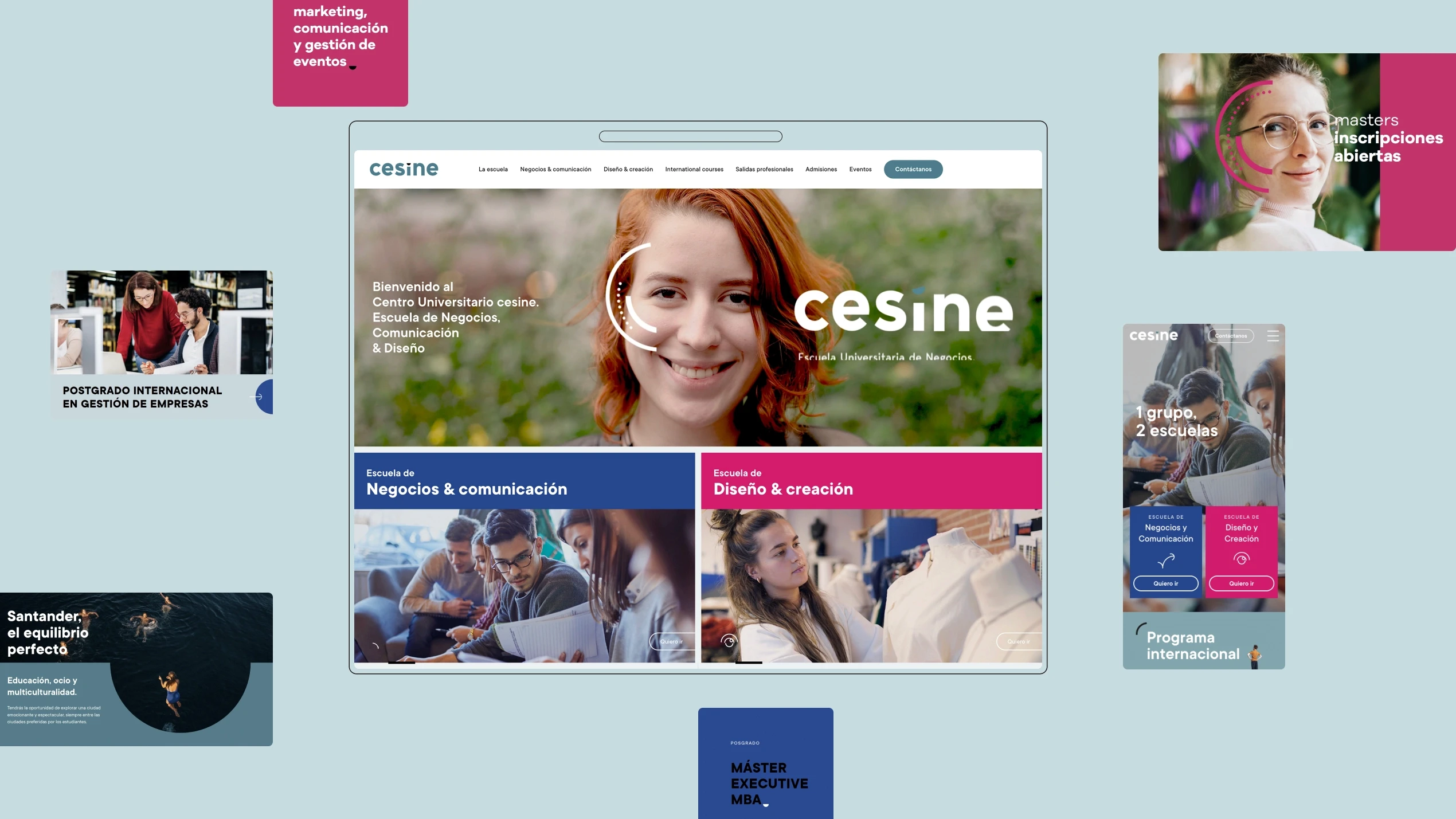
After the addition of the Cesine University Center to a group of investors in education, a rebranding was proposed, aligning its image with the design and business programs it offers and meeting the standards of a current digital school.
The new website would then become the core of its communication strategy and the main tool for attracting new students locally and internationally.
In this project, I served as Branding Designer / UI designer within The Imageniers' design team.



Problem
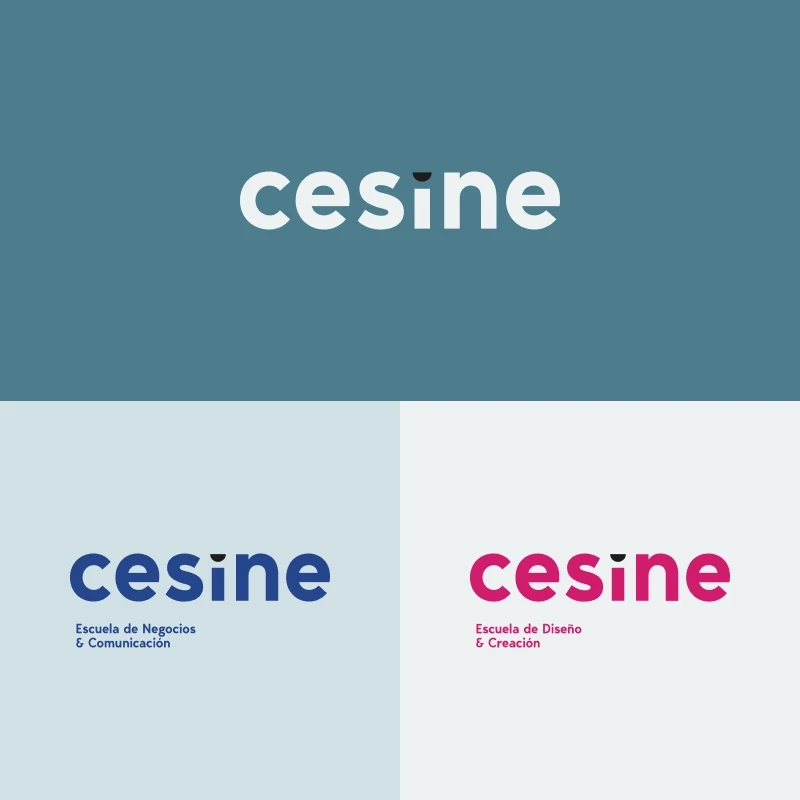
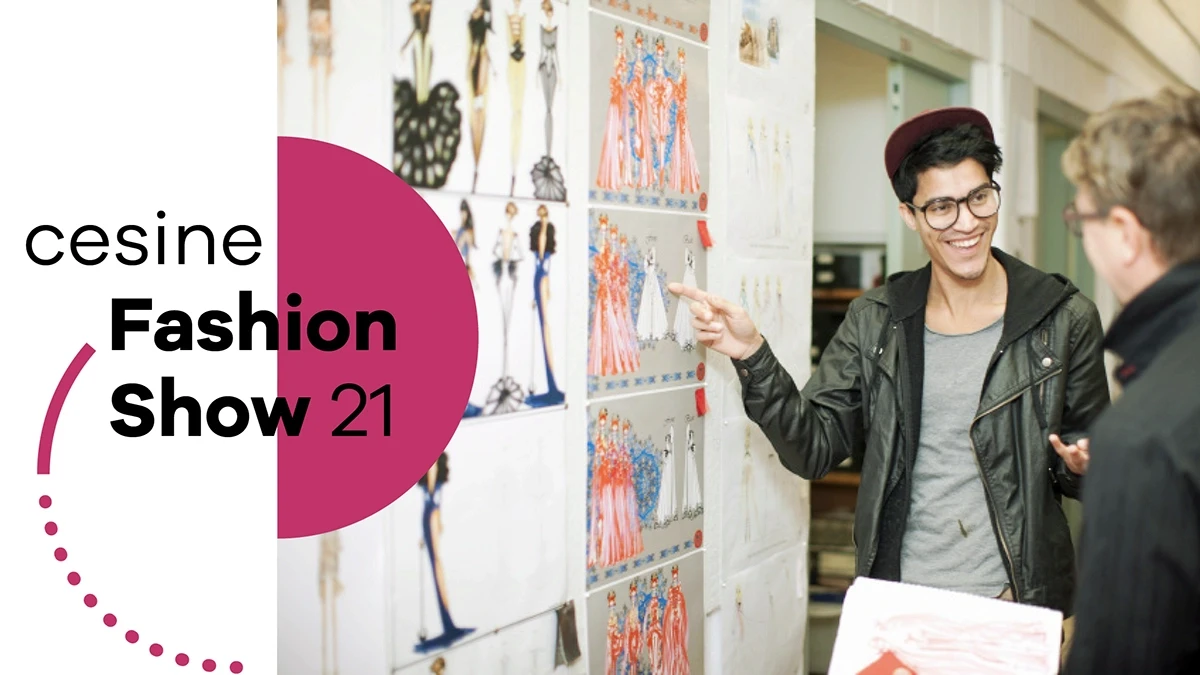
A dynamic visual identity derived from the brand’s most distinctive symbol: the dot on the “i.” It is then translated into a simple and scalable design system, capable of identifying and differentiating each sub-brand and suitable for use in both online and offline communication.
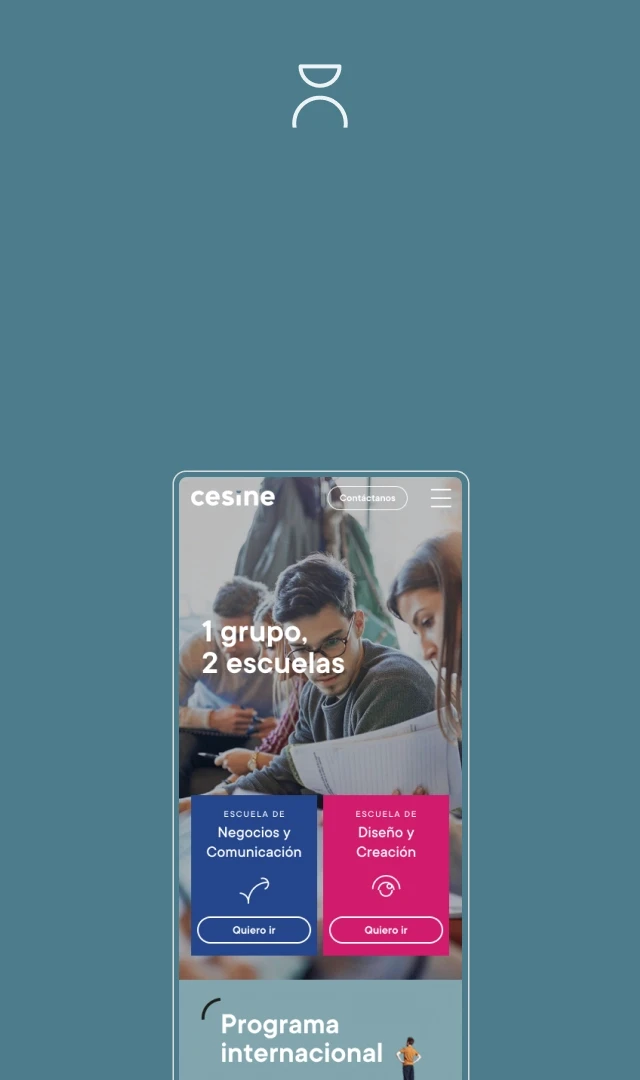
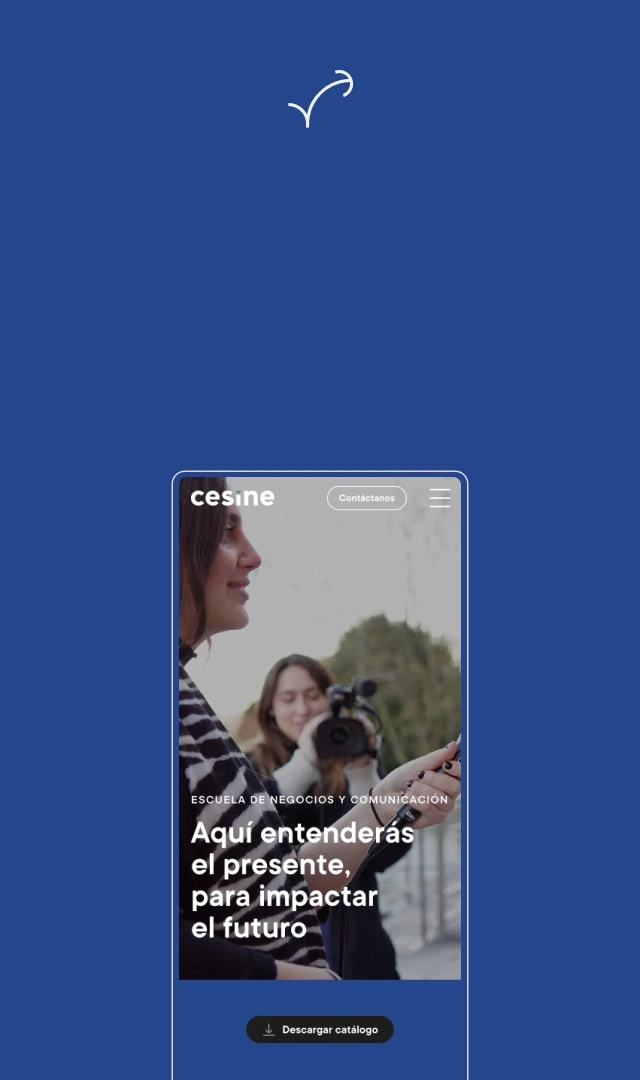
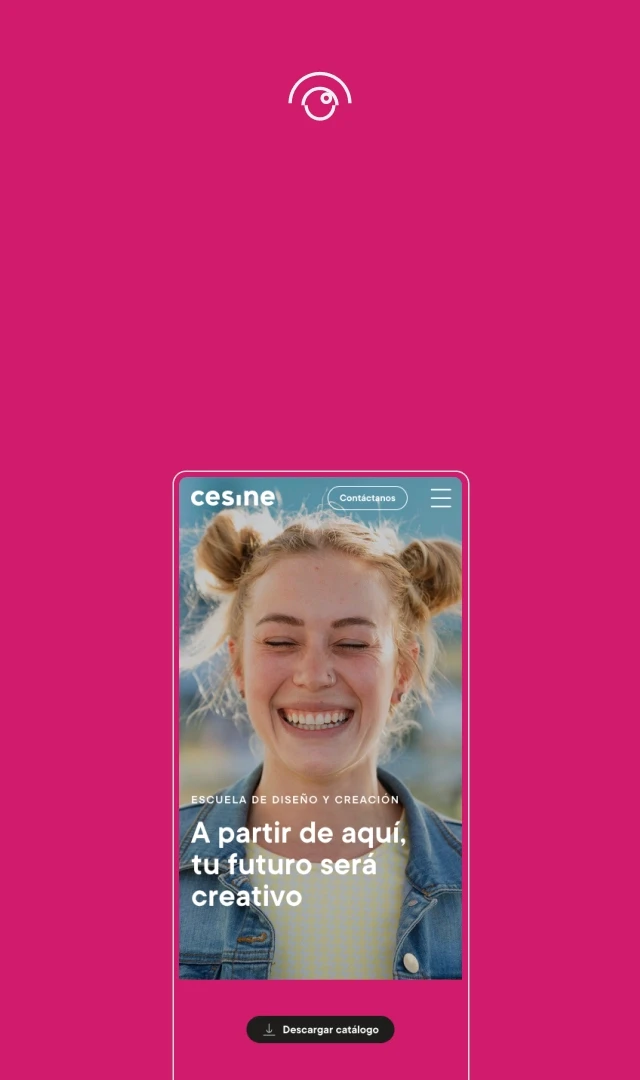
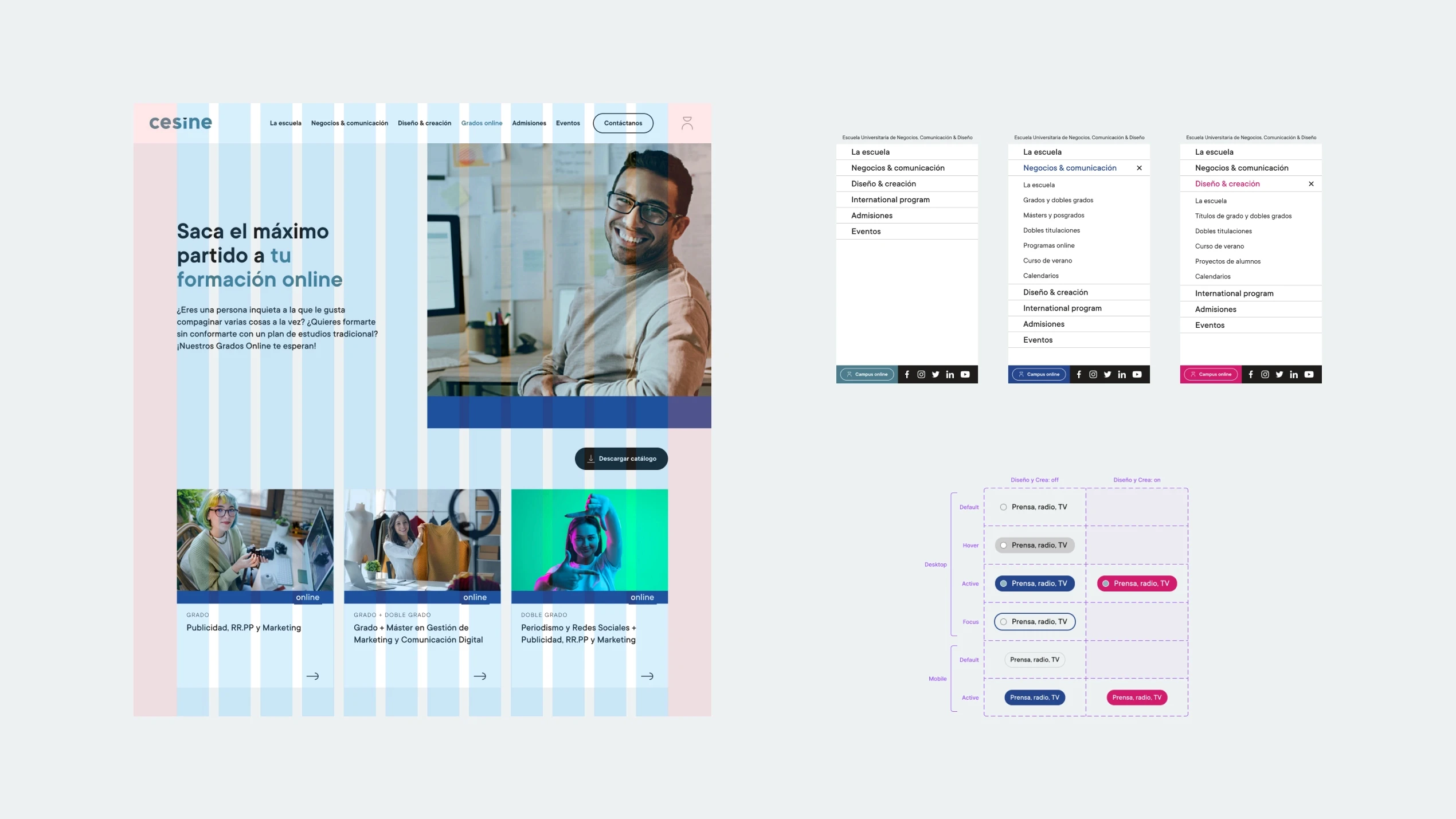
Given that the Cesine University Center divides its offerings into two schools that share the same name (only the baseline changes), it was decided to identify each of them with a specific color. This helps both students and prospects identify their areas of interest while enriching the brand system and communication of each school.
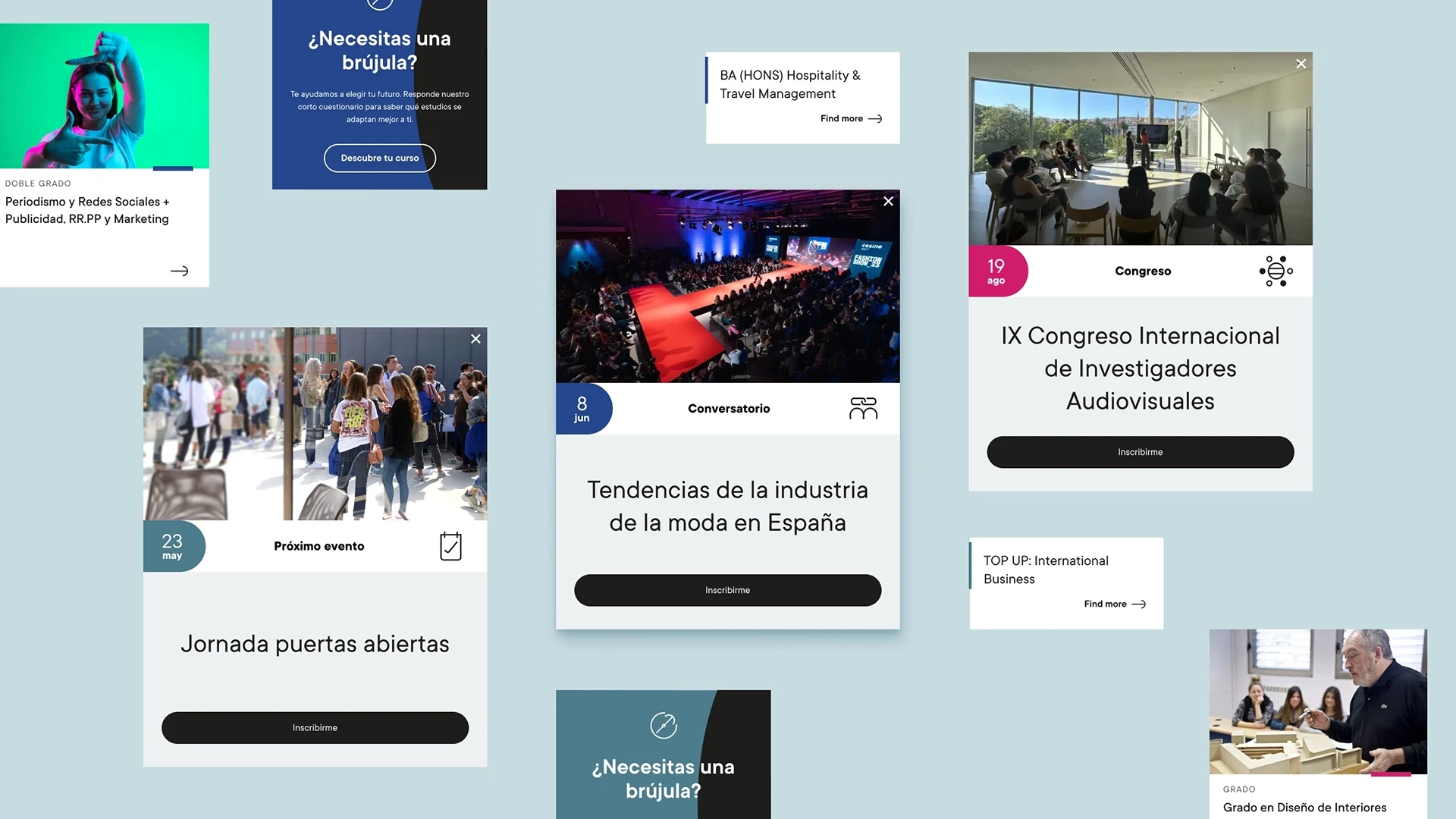
Because the school’s offering evolves periodically, we designed a flexible system that could easily scale with minimal resources. Guided by the brand and content architecture, we developed components that are easy to manage and empower each academic program with adaptable design resources.
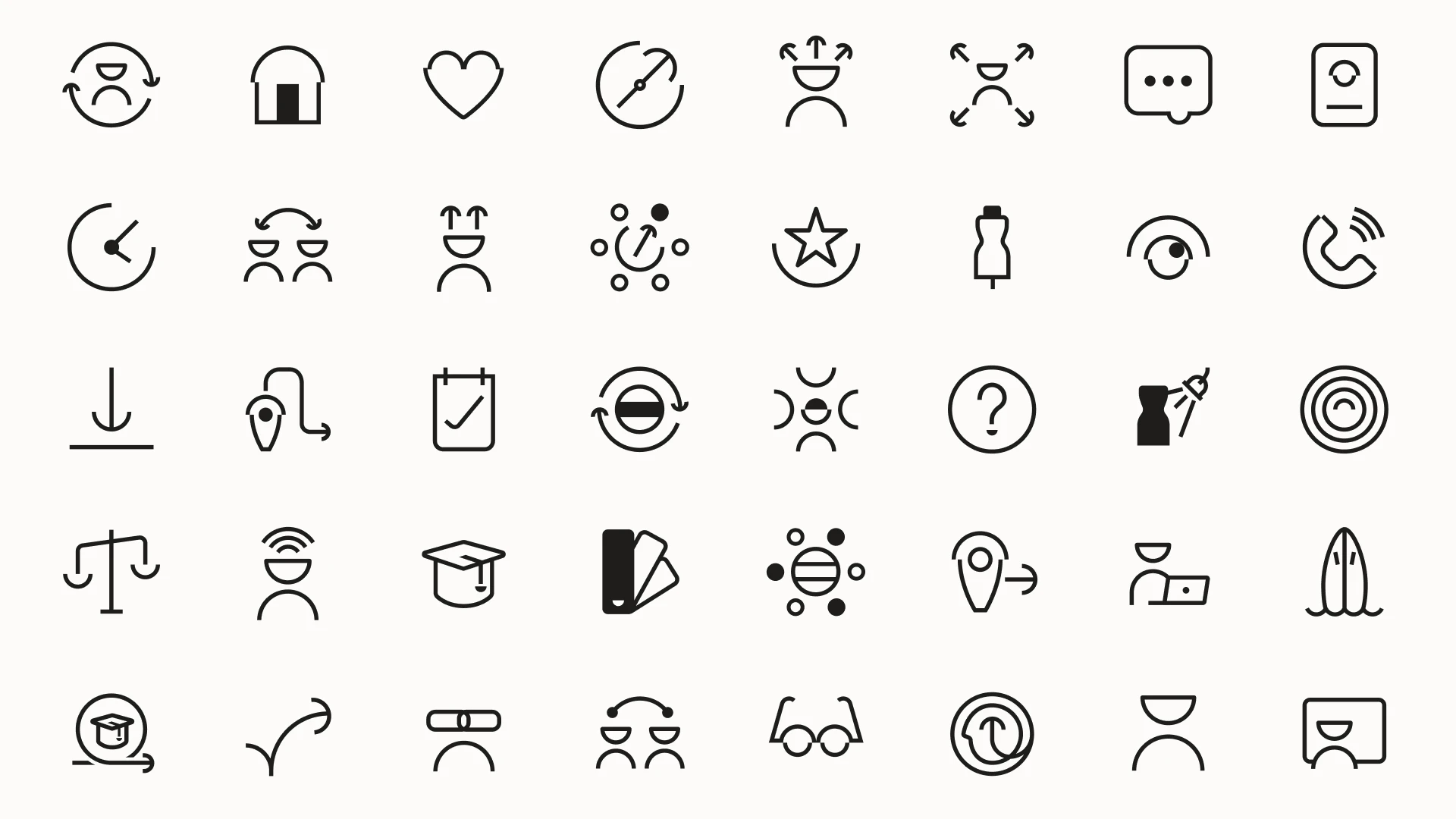
Given the school’s creative nature, we designed a graphic resource that celebrates its versatility and personality: a custom icon set inspired by the half-circle of the “i” dot.
This structure brings charm and consistency to both functional and expressive icons—representing Cesine’s spirit and sharing it with the broader educational community.
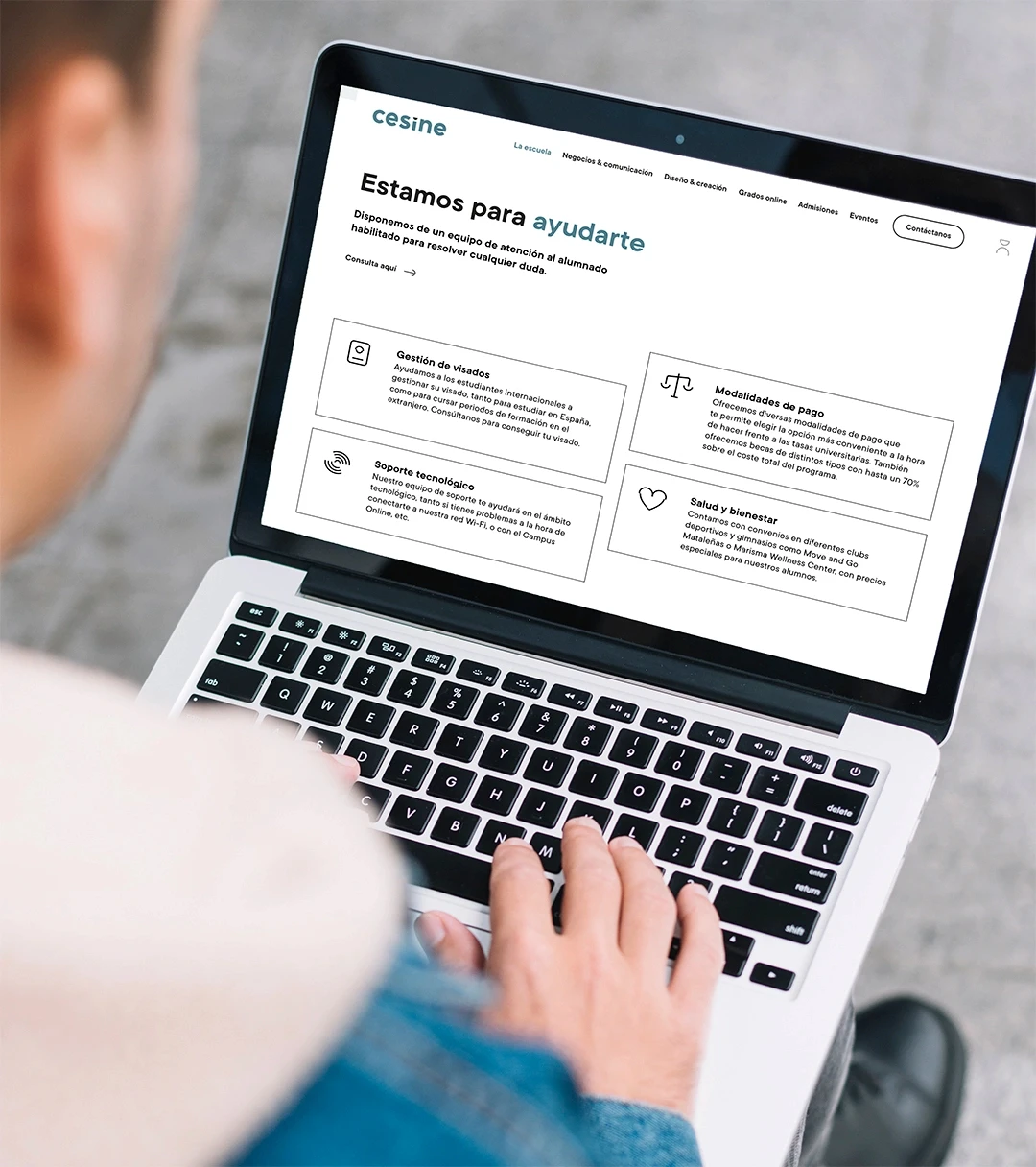
For a client, a redesign often means both a visual and a cultural shift. That’s why it’s essential to explain clearly what we do.
As designers, we must treat our clients as users worth researching—so they find documentation useful, value the process, and align with the principles we define for their brand.
Even in early stages, development teams should be involved to validate product needs.
Both client requirements and our design ideas can evolve through technology or budget constraints. Collaborating early ensures a more efficient and realistic design process.